Family-Friendly Halloween: Spooky-Not-Scary Ideas for Mixed Ages
Decorations, activities by age, a lights-on home haunt and trick-or-treat safety for families who want the fun without the fright.
Affiliate disclosure: This guide contains links to Amazon. As an Amazon Associate we earn from qualifying purchases, at no extra cost to you. Recommendations are based on research, not hands-on testing, unless we say otherwise. How this works
Halloween with a mixed-age family is a balancing act. The ten-year-old wants monsters, the four-year-old wants to be a pumpkin and nobody wants nightmares. The answer is spooky, not scary: the look and the fun of Halloween without the shocks. These ideas work for homes, parties and neighbourhood trick-or-treating.
Spooky, not scary, in practice
- Friendly faces: smiling pumpkins, cartoon ghosts, black cats.
- Warm light, not darkness.
- No jump scares, no gore, no loud bangs.
- Children can see how things work and choose how close to get.
Decorating that delights instead of frightens
- Orange and purple lights. Warm colours feel festive. Save green and red for older audiences.
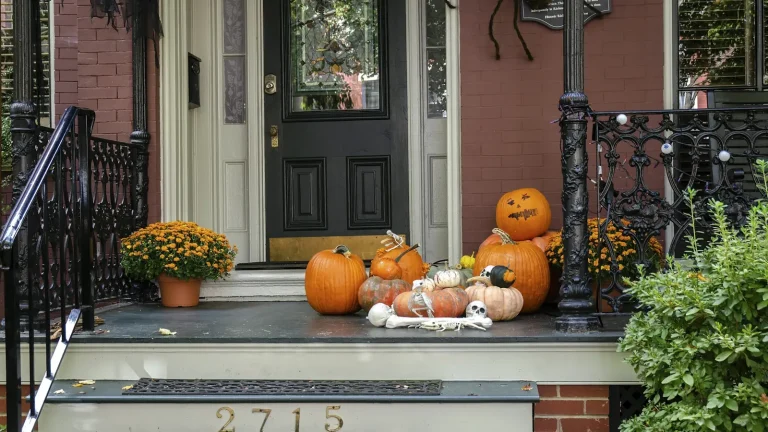
- Pumpkins everywhere. Carved, painted, stacked or drawn on with marker.
- Floating ghosts. White cloth figures with drawn-on smiles, hung at different heights.
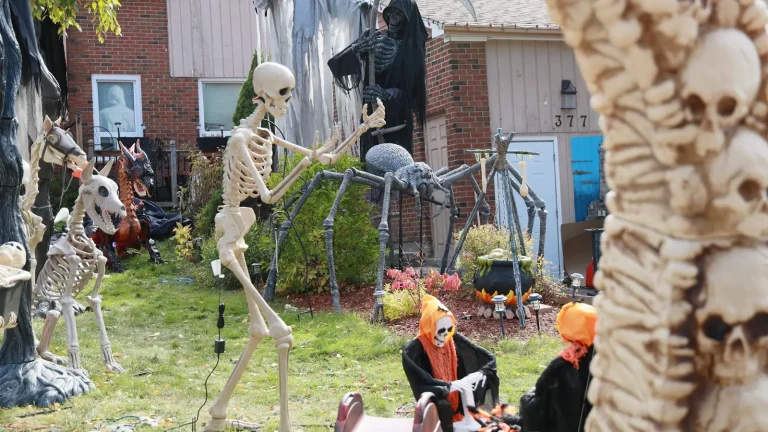
- Inflatables. Large, bright and unmistakably playful. See how they compare with other options in our yard decoration comparison.
- Window silhouettes. Paper bats, cats and spiders taped inside the glass.
If you own a motion-activated prop, switch off the sound or the sensor while small children are visiting. A sudden shriek at knee height can end a toddler’s evening.
Activities by age
| Age | Ideas | Keep in mind |
|---|---|---|
| Toddlers | Sticker pumpkins, a costume parade around the living room, a short daytime walk to a few known neighbours | Masks and strangers in costume can be upsetting. Keep it brief. |
| Ages 4 to 7 | Pumpkin painting, a candy scavenger hunt, a glow-stick dance party, gentle spooky picture books | Explain that costumes are pretend, and let them watch you put yours on. |
| Ages 8 to 12 | Carving with supervision, a backyard “mystery trail” with clues, telling mild ghost stories by flashlight | They may want more scare than younger siblings. Give them a job, such as running a game. |
| Teens | Designing the family’s yard display, special-effects makeup, helping host | Involving them in the build is often more appealing than joining in. |
A lights-on home haunt
Young children often love the idea of a haunted house and hate the reality. Build a gentle version: a short route through the garage or yard with the lights up, friendly characters who wave and a treat at the end. Let children walk it first in daylight. Our guide to creating a haunted house at home explains how to run a gentle mode and a scarier mode on the same night.
Choosing attractions for children
Many haunted attractions run separate daytime or low-scare sessions for families. Red Mill Museum Village, for example, lists a daytime Happy Haunts session that it describes as family-friendly, alongside its evening event. Look for words such as “lights on”, “no scare” or “family hours”, and read our explainer on scare levels before booking anything for a child.
Trick-or-treat safety
These points follow guidance published by U.S. safety agencies, which is linked at the end.
- Choose costumes labelled flame resistant, and avoid long, trailing fabric.
- Make sure costumes and shoes fit, so children do not trip.
- Add reflective tape to costumes and treat bags, and carry a flashlight or glow sticks.
- Prefer face paint to masks, which can block vision. Test the makeup on a small patch of skin a day or two ahead.
- Use flameless candles in pumpkins.
- Have children wait until they are home to eat treats, so an adult can check them first.
- Read labels carefully if anyone in the family has a food allergy.
More detail on fit and materials is in our costume buying guide, and on skin safety in Halloween makeup for beginners.
Including every child
- Food allergies. Offer a non-food option such as stickers, pencils or glow bracelets alongside sweets. Some households signal this with a teal pumpkin on the doorstep.
- Sensory sensitivities. Skip strobes and loud soundtracks, keep a calm, quiet corner at parties, and do not insist on masks or scratchy costumes.
- Mobility. Bring the treat bowl to the end of the driveway or the bottom of the steps.
Handy family supplies
- Flameless candles for pumpkins: See flameless candles on Amazon (paid link, opens in a new tab)
- Glow sticks and bracelets: See glow sticks on Amazon (paid link, opens in a new tab)
- Reflective tape for costumes and bags: See reflective tape on Amazon (paid link, opens in a new tab)
- No-carve pumpkin decorating kits: See pumpkin decorating kits on Amazon (paid link, opens in a new tab)
Frequently asked questions
How do I make Halloween fun for a child who scares easily?
Keep things light and predictable. Decorate together, visit in daylight, avoid masks and jump scares, and let the child decide how close to get to anything new.
At what age can children carve pumpkins?
Carving involves sharp tools, so adults should do the cutting for young children. Painting, stickers and scooping out seeds are good jobs for small hands.
What can I hand out instead of candy?
Stickers, pencils, glow bracelets, bubbles and small toys are all popular. Avoid tiny items if very young children visit.
Is face paint safer than a mask?
Masks can limit vision, which is why safety agencies suggest makeup as an alternative. Test any makeup on a small area of skin beforehand and follow the label.