Haunted House Scare Levels Explained: From Family-Friendly to Extreme
There is no official scare rating. Here is what the common labels usually mean, and how to match a haunt to the most nervous person in your group.
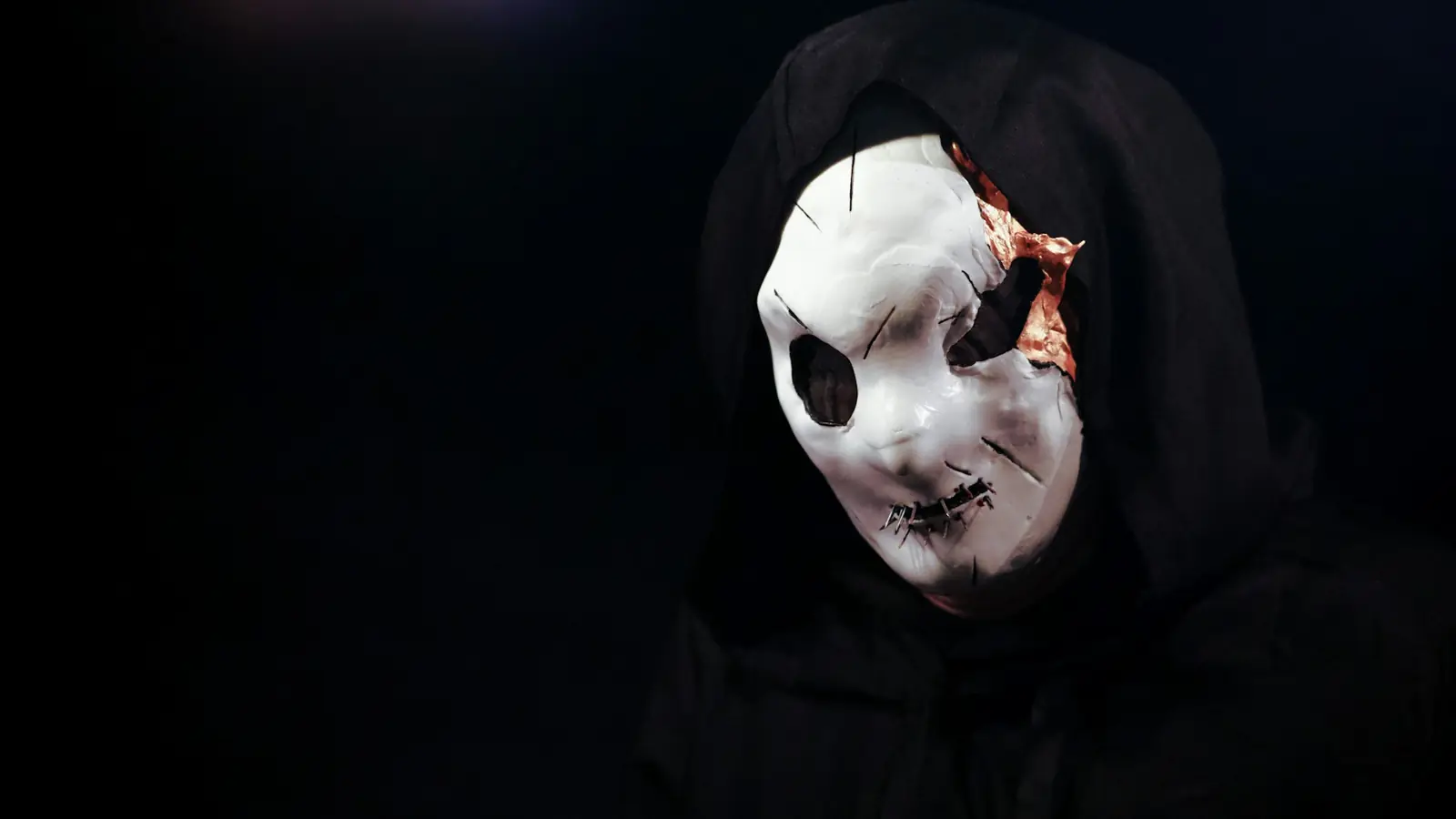
“Is it scary?” is the first question most people ask about a haunted attraction, and the hardest to answer. There is no industry-wide rating system. Each operator describes its own event, in its own words. This guide translates the common labels into plain expectations so you can choose a haunt your whole group will enjoy.
Key point
Scare ratings are self-declared and not standardised. Use them as a rough guide, then read the attraction’s warnings and age guidance, which tell you far more than a one-word label.
The five levels you will see most often
| Level | Typical features | Usually suits |
|---|---|---|
| 1. Not scary | Daytime or lights-on sessions, friendly characters, no jump scares. | Young children and anyone who wants the atmosphere without the fright. |
| 2. Mild | Spooky sets and music, the odd gentle surprise, actors who keep their distance. | Older children, cautious first-timers. |
| 3. Classic | Darkness, fog, sudden noises and actors who jump out. The standard haunted house experience. | Teens and adults who enjoy a scare. |
| 4. Intense | Graphic scenes, tight or disorienting spaces, very loud sound, actors who follow and get close. | Experienced adult visitors. |
| 5. Extreme | Physical contact, restraints or isolation, often age-restricted and requiring a signed waiver. | Adults who specifically seek it out and have read the terms. |
These tiers are our own summary of how attractions commonly describe themselves, not an official scale.
What actually makes a haunt frightening
Two attractions with the same label can feel completely different. Look past the rating to the ingredients:
- Startle scares. Sudden movement or sound. The most common technique, and the one that divides groups.
- Darkness and disorientation. Blackout corridors, mirrors, spinning tunnels and uneven floors.
- Proximity. How close actors come, and whether they follow you.
- Sound. Air horns, engines and sudden bangs can be the hardest part for sensitive visitors.
- Confinement. Narrow passages and squeeze walls.
- Themes. Clowns, medical scenes, gore or spiders bother some people far more than others.
- Contact. Whether actors may touch you. Most attractions are no-touch.
How to read an attraction’s listing
Before booking, look for these signals on the operator’s website:
- A recommended minimum age, or a statement that the event is not suitable for young children.
- The words “touch” or “no touch”.
- Warnings about fog, strobe lighting, loud sound and tight spaces.
- Whether a waiver is required.
- Lower-scare options, such as daytime sessions or lights-on tours.
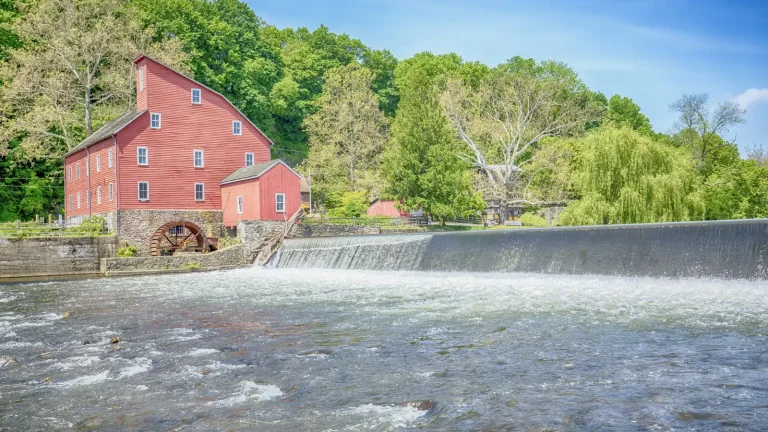
Lower-scare sessions are more common than many visitors realise. Red Mill Museum Village, for instance, lists a daytime family session and lights-on backstage tours alongside its evening Haunted Red Mill. Some attractions also offer a “no scare” signal, such as a glow necklace, that tells actors to hold back. Ask the operator whether anything similar is available.
Matching the level to your group
Plan for the most nervous person, not the bravest. A group that leaves halfway through has a worse night than one that picks a milder event and finishes it together. A few questions help:
- Has everyone been to a haunted attraction before?
- Does anyone dislike the dark, loud noise, crowds or confined spaces?
- Would a seated attraction, such as a hayride, be easier than a walk-through?
- Does anyone have a health condition that fog, strobes or sudden shocks could affect?
Our Scare Readiness Calculator turns those answers into a suggested level. It is general guidance only, and it does not replace an attraction’s own warnings or medical advice.
Children and scare levels
There is no age at which every child is ready for a classic haunted house. Temperament matters more than birthdays. Start with level one or two, visit in daylight if possible, and explain that the monsters are actors in costume. Agree on an exit signal before you go in, and honour it without teasing. More ideas are in our guide to family-friendly Halloween.
If it gets too much
Say clearly to the nearest actor or staff member that you want to leave. Staff deal with this regularly and can take you to an exit. Stepping out is nothing to be embarrassed about. For more on what to expect inside, see how to plan a haunted attraction visit.
Frequently asked questions
Is there an official scare rating for haunted houses?
No. Ratings are written by each operator and are not standardised, so a level three at one attraction may feel different at another.
What age is appropriate for a haunted house?
It depends on the child and the attraction. Follow the operator’s age guidance, start with daytime or low-scare sessions, and be ready to leave early.
What does no-touch mean?
Actors will not deliberately touch visitors, and visitors must not touch actors. It is the most common policy. Contact events say so clearly and often require a waiver.
Can I ask the actors not to scare me?
You can always ask to exit. Some attractions also offer a visible signal that tells actors to ease off. Check with the operator before you visit.